
Every step links back to that moment in the video
Chef Ricky Cheung's Hong Kong curry chicken puts the work into the two places most recipes skip. The chicken sits in salted curry water before marinating, so the seasoning reaches the bone. And the sauce is built on ginger, garlic and onion rather than a pile of dry spice, then finished with peanut butter for body. No hard-to-find spices, and an ordinary frying pan is enough.
Estimated timing — actual time may vary with cooking speed and heat.
What makes this version work
The chicken is brined in salted curry water before marinating. Beyond seasoning it to the bone, the brine puts water back into the meat, so it does not dry out in the braise.
The sauce is built on three fresh aromatics — ginger, garlic and onion. The result has far more depth than dry spice alone, without the powdery finish.
A spoonful of peanut butter at the end gives the sauce weight and a nutty aroma, while minced pork helps it cling to rice.
Ingredients
Tap to check off — your progress is saved
Marinade
- Chicken leg 500gChopped into pieces — ask the butcher to do itWings or whole legs work; avoid breast, it dries out
- Water 50g
- Salt 10g
- Curry powder 5g
Aromatics
- Vegetable oil 50g
- Ginger 30gFinely minced
- Garlic 30gFinely minced
- Onion 200gDiced
- Minced pork 100gLightly seasoned before it goes in
Sauce
- Curry powder 10gFor the sauce — separate from the marinade
- Tomato paste 30gBrightens the colour of the sauce
- Peanut butter 30gCan be left out, but the sauce will be thinner
- Chicken broth 500g
- Potatoes 300gPeeled and diced small
- Bird's eye chilli to tasteOptional — leave out if you prefer no heat
Equipment
- Frying pan or heavy-based pot with a lid
- Kitchen scale
Steps
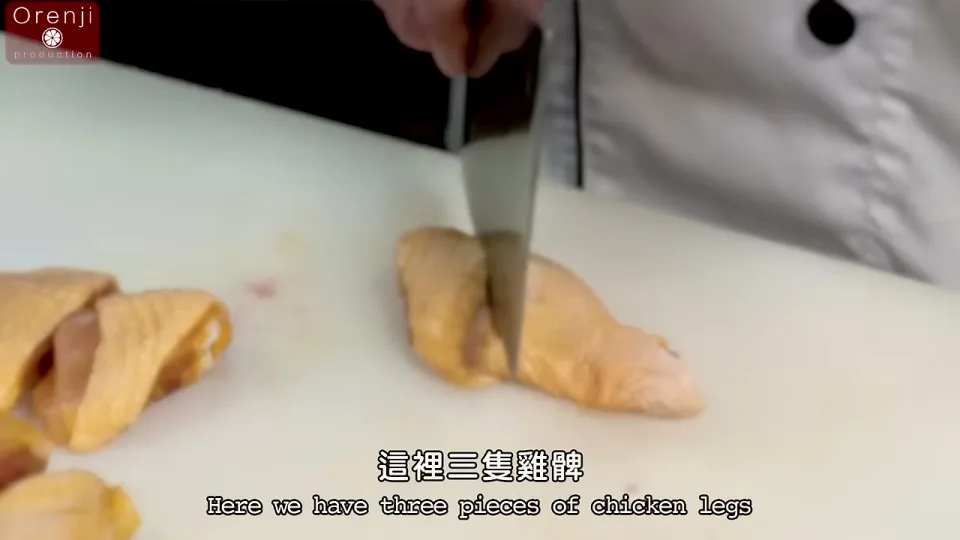
Chop the chicken legs

Chop the chicken legs into bite-sized pieces, splitting the lower leg in half as well — about 500 g in total. Ask the butcher to chop it for you and this step disappears.
Watch at 1:25Mix the salted curry water — this is the step that matters
 Time 1 min
Stir 10 g salt and 5 g curry powder into 50 g water until the salt fully dissolves. Add the chicken and mix by hand for about a minute, so every piece takes up the liquid.
How to tellWhen there is no liquid pooling at the bottom of the bowl, the meat has taken it all up.Common mistakeDo not rub dry curry powder straight onto the chicken. Too dry to penetrate, and the meat gets no moisture back — it will end up stringy.Watch at 1:52Marinate at least two hours, ideally overnight
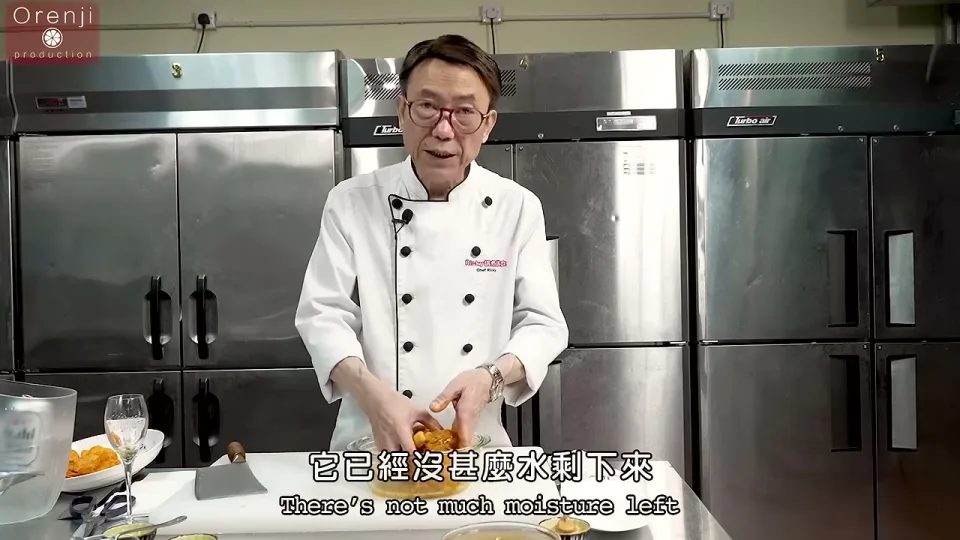
Cover and refrigerate for at least two hours. Ricky marinates his the day before — that is when the seasoning really reaches the bone.
Watch at 2:30Peel and dice the potatoes small
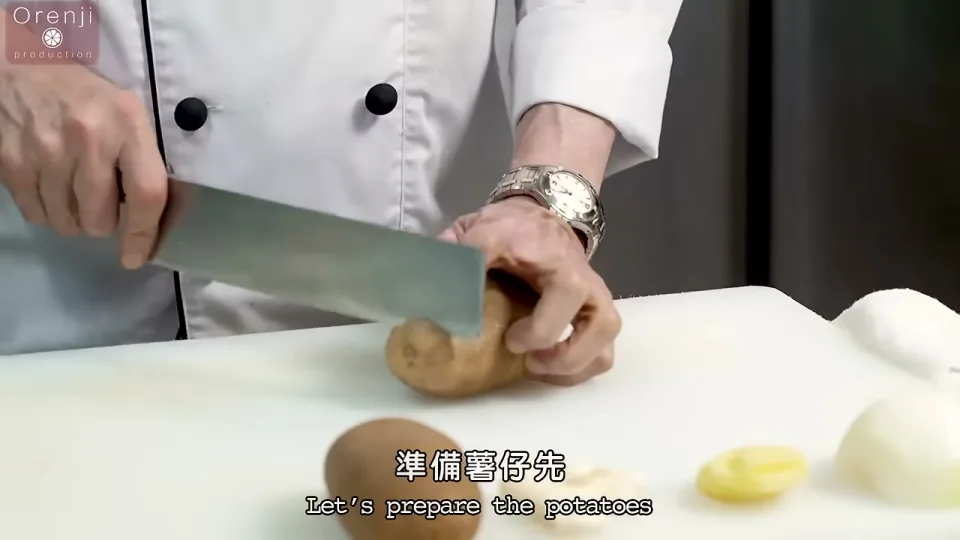
Peel the potatoes and cut them into roughly 2 cm dice. Smaller is safer: they cook through reliably, and the edges melt slightly into the sauce.
How to tellCut them too big and the outside collapses before the centre softens.Watch at 3:15Dice the onion, mince the ginger and garlic
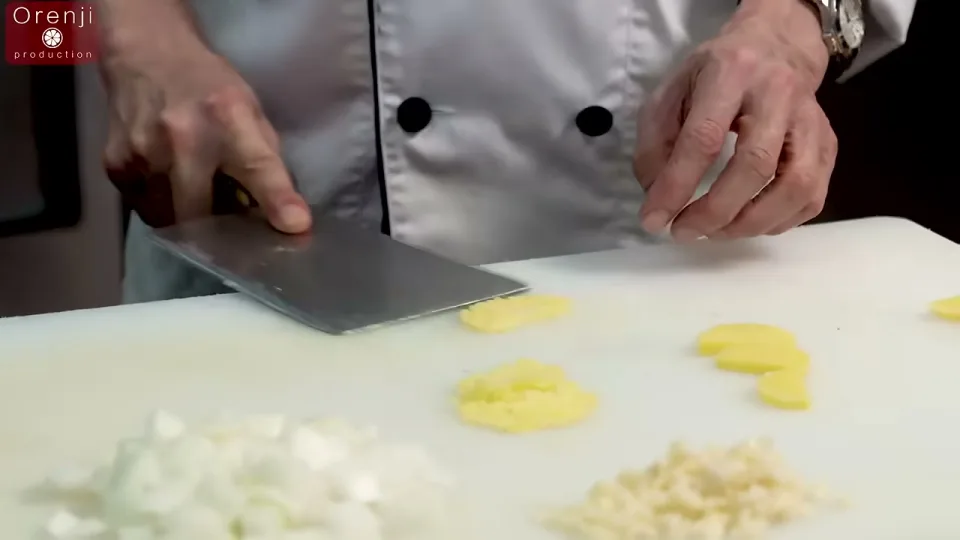
Dice the onion; mince the ginger and garlic. These three are the backbone of the sauce. Indian curries lean on dry spice; this version leans on fresh aromatics, which gives more dimension and none of the powdery texture.
Watch at 5:40Fry the ginger and garlic in oil
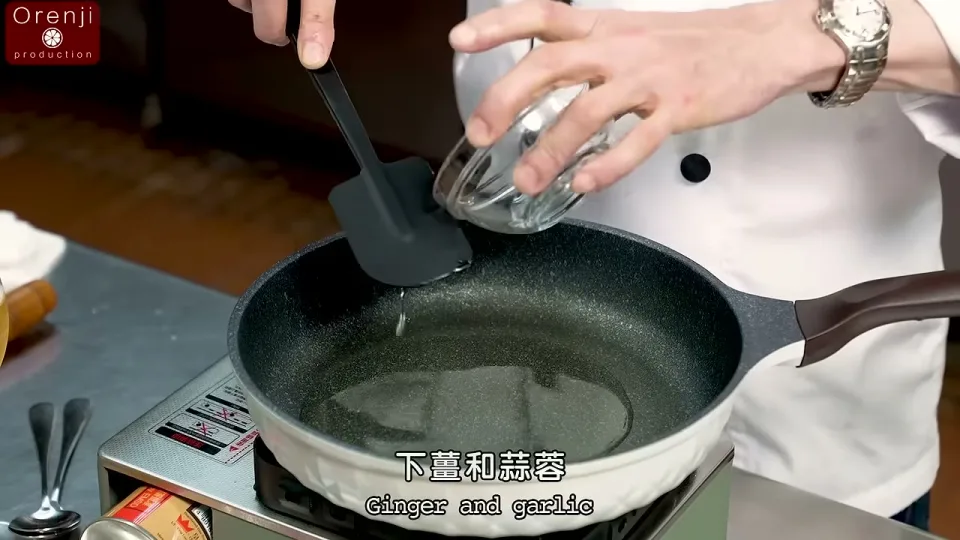 Time 2 minHeat Medium
Heat 50 g oil in the pan, add the minced ginger and garlic over medium heat, and fry gently until fragrant.
How to tellYou do not need the whole pan golden — a little colour on the edges of the garlic is enough.Watch at 7:08Add the onion and minced pork
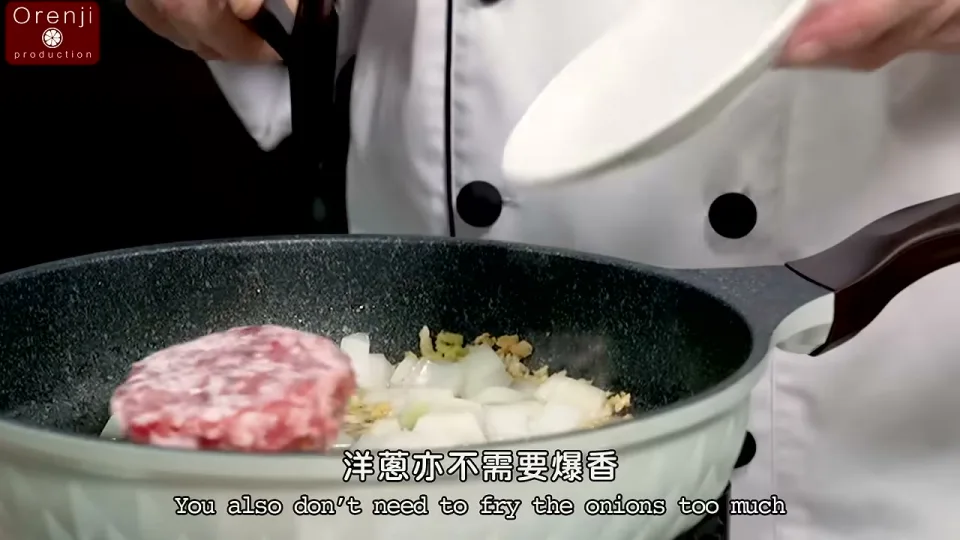 Time 3 minHeat Medium
Add the onion, then the minced pork, breaking the pork up with your spatula. Fry for two to three minutes until the onion turns translucent and the pork has separated and changed colour.
How to tellThe onion goes from opaque white to translucent, and no clumps of pork remain.Watch at 7:48Add curry powder, tomato paste and peanut butter
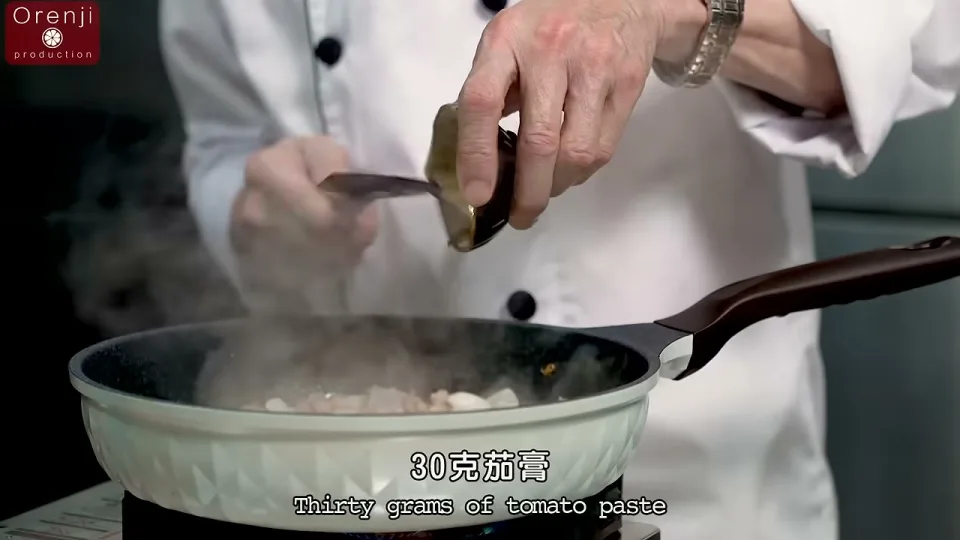 Time 1 minHeat Medium
Add 10 g curry powder, 30 g tomato paste and 30 g peanut butter, and fry for about a minute to bloom the spice. The tomato paste brightens the colour; the peanut butter brings body and aroma.
Watch at 8:20Turn off the heat before the broth goes in
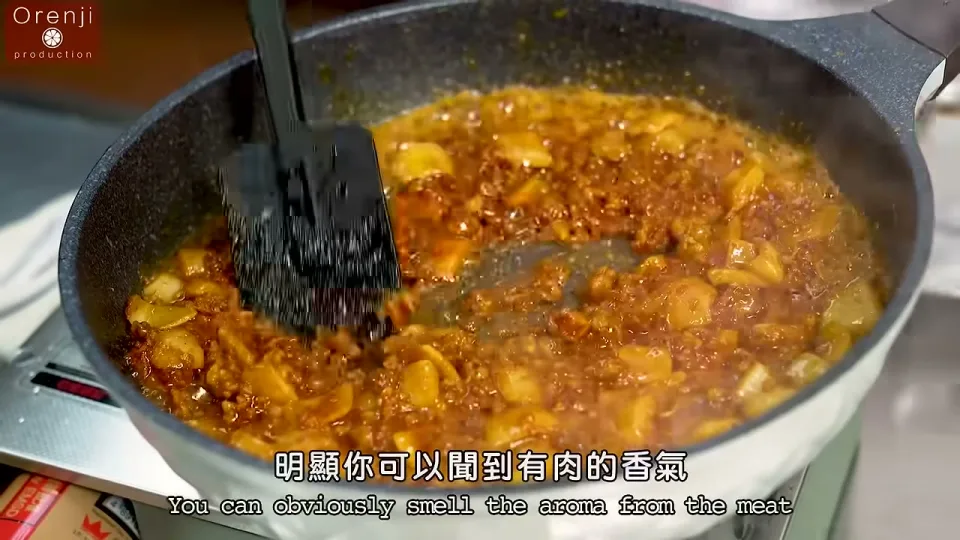
Turn the heat off first, then pour in 500 g chicken broth and stir the paste off the base of the pan until it dissolves. Only then turn the heat back on.
Common mistakePour broth into a hot pan and the thick paste catches on the base and scorches — the whole curry turns bitter.Watch at 8:38Once it boils, potatoes first — ten minutes
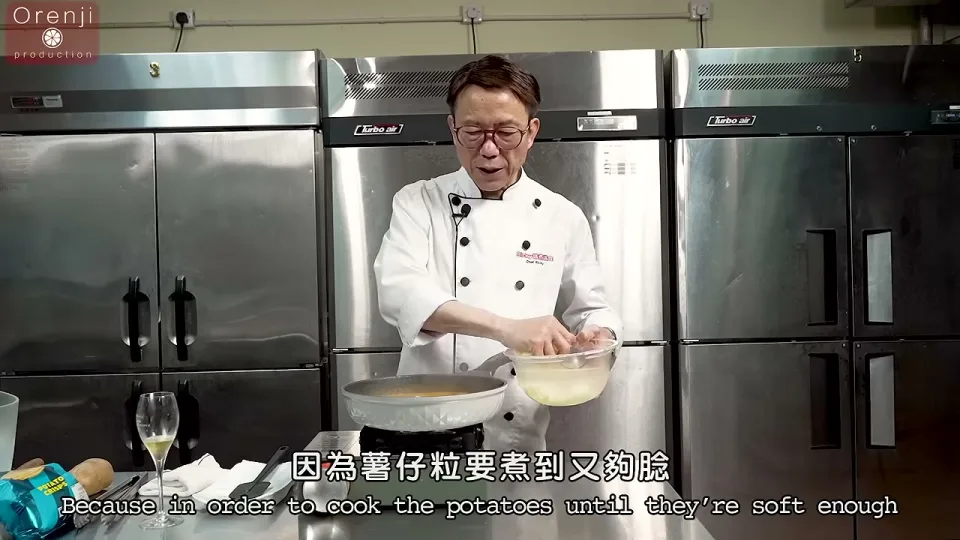 Time 10 minHeat Medium-low
Bring to a boil and add the diced potatoes first, cooking for about ten minutes. Potatoes need longer than the chicken, so they go in ahead to have time to soften properly.
How to tellThe outer layer of the potato starts melting into the sauce and thickening it slightly — that is the texture you want.Watch at 9:18Add the chicken and braise with the lid on
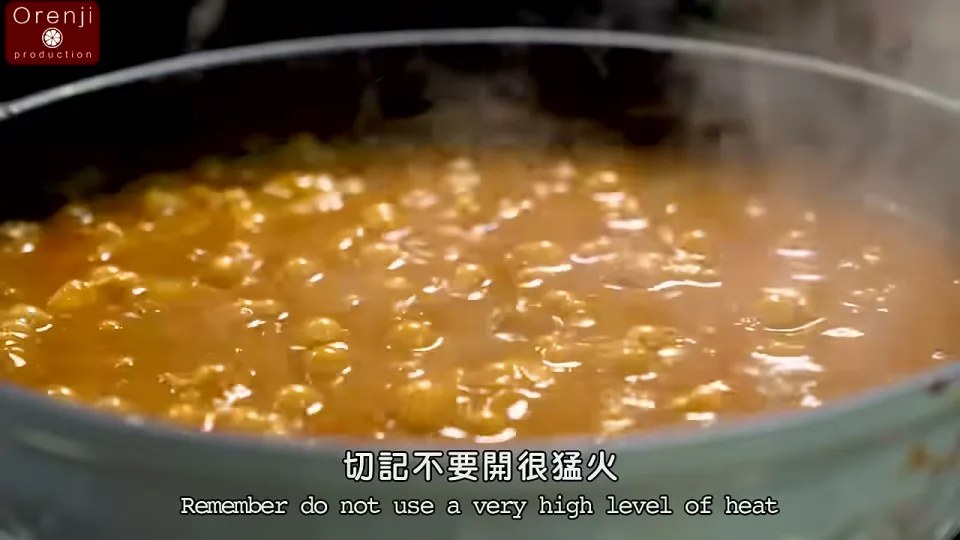 Time 12 minHeat Medium-low
Add the marinated chicken along with its liquid, cover, and braise over medium-low heat for ten to fifteen minutes. The lid keeps the moisture in so the leg meat stays succulent.
Common mistakeDo not use high heat. The liquid boils away before the chicken is cooked through, and the meat tightens up dry and tough.Watch at 9:52Reduce until the sauce coats a spoon
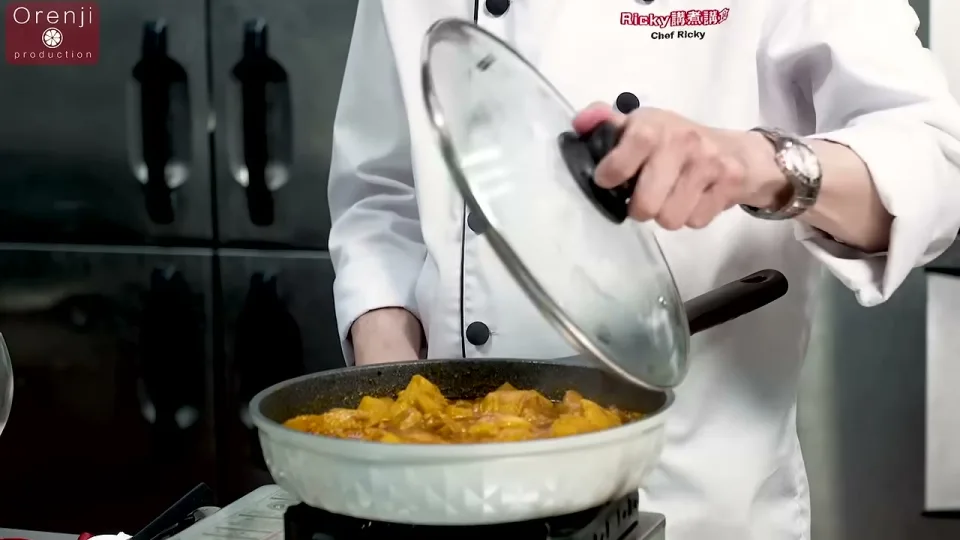 Heat Medium-low
Take the lid off and check the consistency. Reduce uncovered a little longer for a thicker sauce, or stop earlier if you want more of it for the rice. Add chilli now if you want heat.
How to tellThe sauce clings to the spatula and flows off slowly rather than dripping.Watch at 11:10Serve over rice or noodles
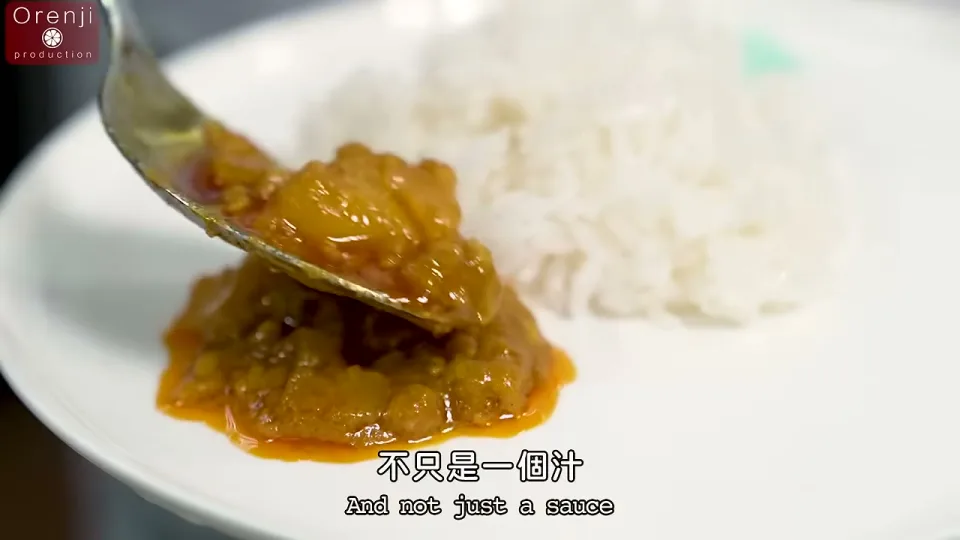
Spoon it over steamed rice, or toss it through noodles. The minced pork in the sauce grips every grain of rice — which is exactly why it is there.
Watch at 12:20
Chef's secrets
The brine seasons — but it also rehydrates
Most cooks rub dry curry powder onto the chicken, and the flavour never gets past the surface. Dissolving salt and curry powder in water lets the salt carry seasoning into the muscle while the meat absorbs liquid. That is why the braised chicken stays springy instead of stringy — and why even the bones taste of curry.
Fresh aromatics beat a pile of dry spice
Slowly frying ginger, garlic and onion develops a sweetness and depth that dry spice cannot supply. Lean too hard on powder and the curry turns chalky; build on fresh aromatics and add a modest amount of curry powder, and the flavour gains dimension.
Peanut butter is an old Hong Kong trick
This is how Hong Kong kitchens were doing it decades ago. Thirty grams will not make the curry taste of peanuts — it gives the sauce weight and a background nuttiness. If you want it to taste right, do not skip it.
Order matters: potatoes first, chicken second
Potatoes need to go soft enough that their edges begin dissolving into the sauce, and that takes longer than the chicken. Put both in together and the chicken is done while the potato is still firm. Give the potatoes a ten-minute head start and the two finish together.
Storage & reheating
Fridge
Keeps three days in an airtight container. The flavour deepens overnight, which is why many people cook a double batch on purpose.
Freezer
Freezes for up to a month. Potatoes go grainy after freezing, so pick them out first if that bothers you.
Reheating
Reheat gently over medium-low heat, loosening the sauce with a tablespoon or two of broth or water. Avoid high heat — it toughens the chicken.
Variations
Beef brisket or chicken wings
Wings take the same brine but only about eight minutes of braising. For beef brisket, braise it an hour until tender first, then follow the recipe from the potato stage.
Vegetarian version
Swap the chicken for fried tofu or chickpeas, the pork for finely chopped mushrooms, and the broth for vegetable stock. Keep the peanut butter and the three aromatics — the backbone of this dish was never the meat.
Adjusting the heat
The base recipe is not spicy. For street-stall heat, add bird's eye chilli while the sauce reduces. To keep it mild, drop them in whole and fish them out before serving.
FAQ
Do I really need two hours? Can I rush it?
Two hours is the minimum, because the salt needs time to carry flavour into the muscle. In a real hurry, cut the chicken thinner and give it thirty minutes — it will be edible, but the seasoning stays near the surface and you lose the rehydrating effect. The easier fix is to marinate the night before.
Can I leave out the peanut butter?
Yes — the curry still works, the sauce is just thinner and missing a layer of nuttiness. To make up the body, use a tablespoon of sesame or cashew butter, or simply reduce the sauce a few minutes longer. If there is a peanut allergy, just leave it out.
Can I use chicken breast?
Not recommended. This dish braises for over ten minutes, and breast has no skin fat or bone to protect it, so it turns stringy. If breast is all you have, cut it into thick chunks, still use the salted curry water, and cut the braising time to six or seven minutes.
What if the sauce is too thin or too thick?
Too thin: uncover and reduce a few more minutes over medium-low heat — the potatoes keep releasing starch and will help. Too thick: loosen it with a tablespoon or two of broth or hot water. Avoid a cornflour slurry; it mutes the aroma and leaves a gluey texture.
Why minced pork in a chicken curry?
The pork is not there to add more meat — it is there for the sauce. The fine grains suspend in the curry and help it cling to rice, so every mouthful carries flavour. This is Ricky's own touch; traditional Hong Kong curry chicken does not always include it.
Which curry powder should I use?
The video uses ordinary Hong Kong–style curry powder; Thai or Indian blends work equally well — pick one whose aroma and heat you like. Use 5 g in the marinade and 10 g in the sauce as your baseline, and start twenty percent lower if your brand is a strong one.
Nutrition
Estimated per serving. Actual values vary with ingredients and portion size.
No time to cook?
The same wok-fired cooking, already made for you at Bryt Kitchen.
See the menu