
Kitchen Blog · Philosophy
The Beef Ball That Travels More Than You Do
The beef in our Teochew beef balls comes entirely from Alberta, with less than a tenth fatty pork added. Here is why we shortened the road between ranch and fridge, and where the savings go.
Published November 13, 2026
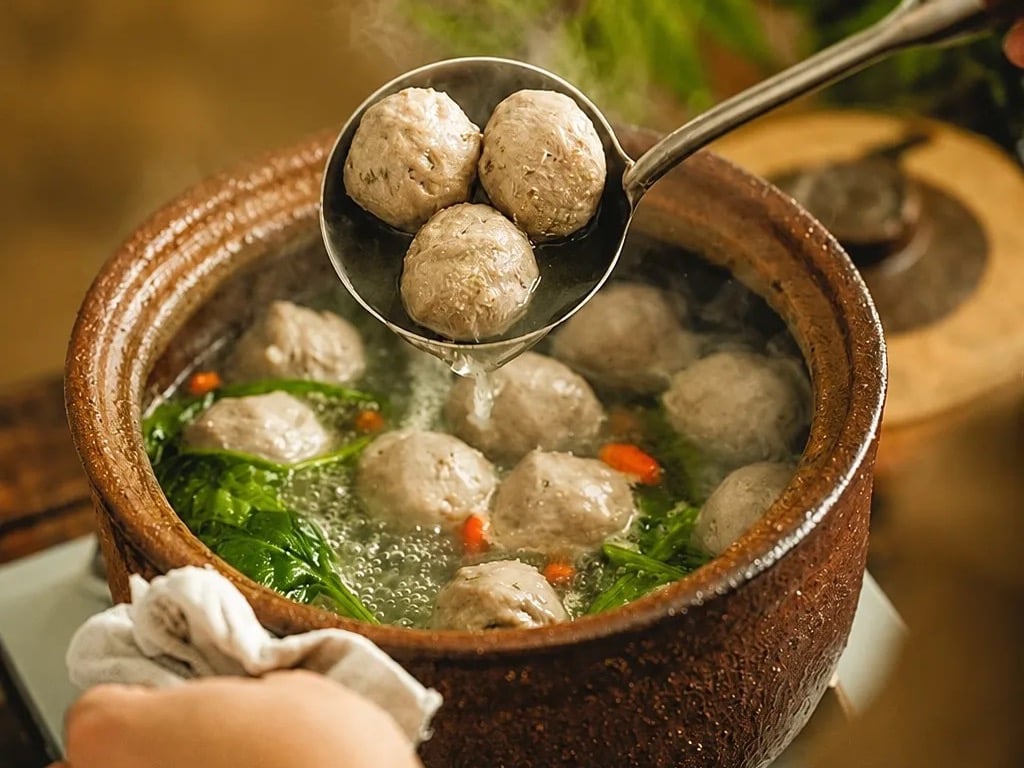
Bryt Kitchen makes frozen Eastern food in Calgary. The beef in our Teochew beef balls comes entirely from Alberta, and we add fatty pork, less than a tenth of the mix. We say this first because the rest of this post explains why we are comfortable saying it.
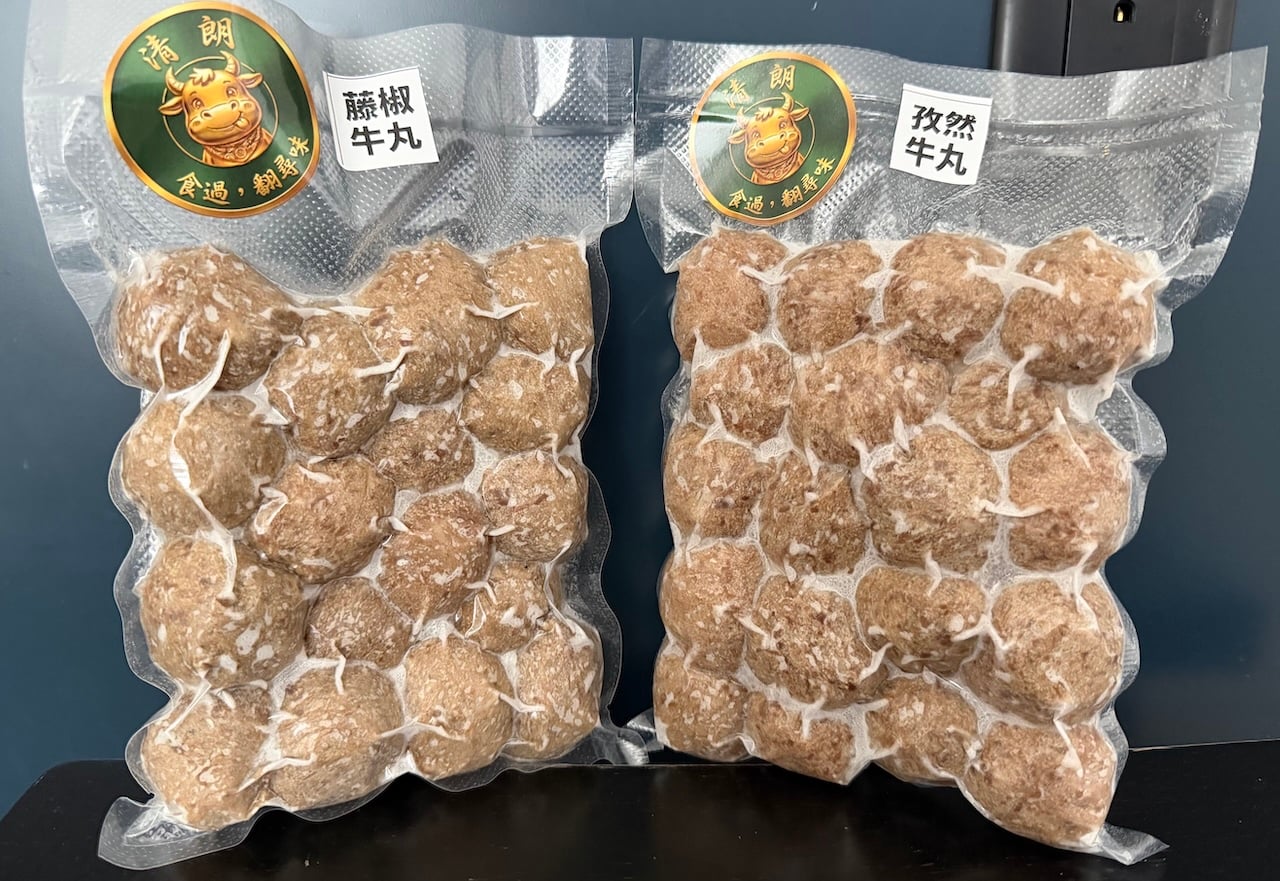
Start with the beef ball
All the beef in the ball is from Alberta.
There is fatty pork in the recipe too. It is what gives the ball its burst of broth when you bite in, and we keep it under ten percent. Beef is the lead and fatty pork is the supporting role: it handles the burst and then stands quietly at the back. That is why we do not write "pure beef" on it. The fatty pork has earned its credit.
Some beef balls come with a price tag and nothing else. In Canada, food that a store portions out of a large bulk box, weighs and labels with a price can, in some cases, go without an ingredient list. A price tag is a very polite thing. Ask it how much, and it answers at once. Ask it what is inside, and it stays silent.
We have not seen what is behind the silence, so we will not guess. We have only heard that some budget meatballs lead with chicken and pork. In that recipe beef is a cameo. Our recipe runs the other way: the fatty pork never gets more screen time than the beef.
A beef ball has to drink before it bounces. The bounce comes from beef protein taking up water, so there is water in our recipe, along with starch and baking soda. We season with natural spices, to bring out the flavour of the beef.
Here is a sum. If a pound of beef balls sells for less than a pound of raw ground beef, there is probably not that much beef in the bag. A schoolchild does not need a calculator. The answer just is not printed on the price tag.
We have not checked what any particular brand puts in its beef balls, and we cannot answer for them. That question is yours. Next time you are at the freezer, turn the pack over and read the ingredient list. Where does beef rank, what follows it, and how much of each? An ingredient list does not lie. At worst, it says little.
A fair word for the supermarket
The rest of the story starts with the supermarket's books.
The largest supermarket group in Canada publishes its financial reports. By those reports, a large chain's cost of goods is about 68 to 69 percent of the shelf price, and gross margin is about 30 percent. After wages, rent, utilities, warehousing and tax, net profit is roughly 3.5 to 4.3 percent. Of every hundred dollars a customer pays, the store keeps less than five.
It is a hard business. So hard that the word "windfall" takes a detour when it sees it.
Where the money goes
That 70 percent for goods does not all reach the farm either. Before a cut of meat reaches the shelf, it is slaughtered and portioned, graded, and vacuum packed, with labour and compliance costs priced at Canadian rates.
Then comes the cold chain. Canada is big and cold. Goods ride refrigerated trucks across provinces, and food from Asia crosses an ocean first. By the time a pack of food reaches your table, it has been to more places than most people's annual leave.
Leafy greens and seafood spoil on the road and on the shelf. The loss is shared among everything that is still alive to be sold. It is a fair system. The dead's debts are paid by the living.
The store has its own bills. The aisles must be bright and tidy, with a deli counter and enough staff, and city rent is not cheap. The freezers have it hardest. They never take a day off and run on electricity around the clock. Large stores often use the higher margin on imported snacks, baked goods and deli items to cushion thin margins at the produce and meat counters. The bag of chips you added may be helping out the bok choy next door.
Nobody is working for free. That is admirable, and also expensive.
We only mind the length of the road
We do not say large supermarket chains charge too much. The numbers above show they do not keep much. What we mind is how long the road is. Between the ranch and your fridge, every extra stop adds a layer to the price, like a taxi meter that only ever climbs.
Bryt Kitchen makes the food and sells it to Calgary families through more than one channel, group buys among them. We only work with group-buy partners who share our values and price fairly, so the road does not sprout extra stops. Our route is so short a navigation app would think it was broken.
Back to the beef ball. The price has a ceiling that customers are willing to pay. Freight, rent and labour come out first, then losses on the road, and what is left for the meat is decided by whoever makes the beef balls. The meat sits last on that bill, yet it is asked to carry all the flavour. With a shorter road, we put the savings back into the beef.
Our reason is simple. One stop fewer, a little more for the meat.
FAQ
Is there pork in the Teochew beef balls?
Yes, fatty pork, less than a tenth of the recipe, which gives the burst of broth. All the beef is from Alberta. See the package label for ingredients and allergens.
What should I look for on a beef ball ingredient list?
See where beef ranks, what follows it, and how much of each. Ingredients are listed from the largest amount by weight to the smallest.